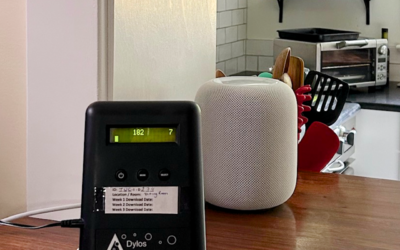
Well before Nikki Fenner joined the ROCIS Low Cost Monitoring Project, she was already aware of the air pollution problems in Southwestern Pennsylvania, where she lives with her husband, two children, and their two cats. Nikki was worried about the impacts that...
Cooking Posts
Cooking tips for improving the indoor air quality in your home.
Making Data-Driven Decisions
Many air quality hazards aren't easy to detect by sight or smell—so how do you know if you have a problem? Low-cost air quality monitors have made it easier than ever to learn the truth about our exposure to air pollution. But just having the monitors is only half the...
Cut it Off at the Source: Tips for Reducing Indoor Emissions
When it comes to pollution control, addressing the source of the pollution itself is the key. Both the cooking of food and the burner use can be a major emission source, so how you cook can make a big difference. Here’s how to tackle cooking and burner emissions of...
Channel The Flow: Tips for Improving Kitchen Range Hood Use
Most range hoods currently installed in homes are not very effective due to their design and/or operation and maintenance. Here are some easy things to do to improve the removal of pollutants, odors, grease, and moisture from cooking in your home. More information and...
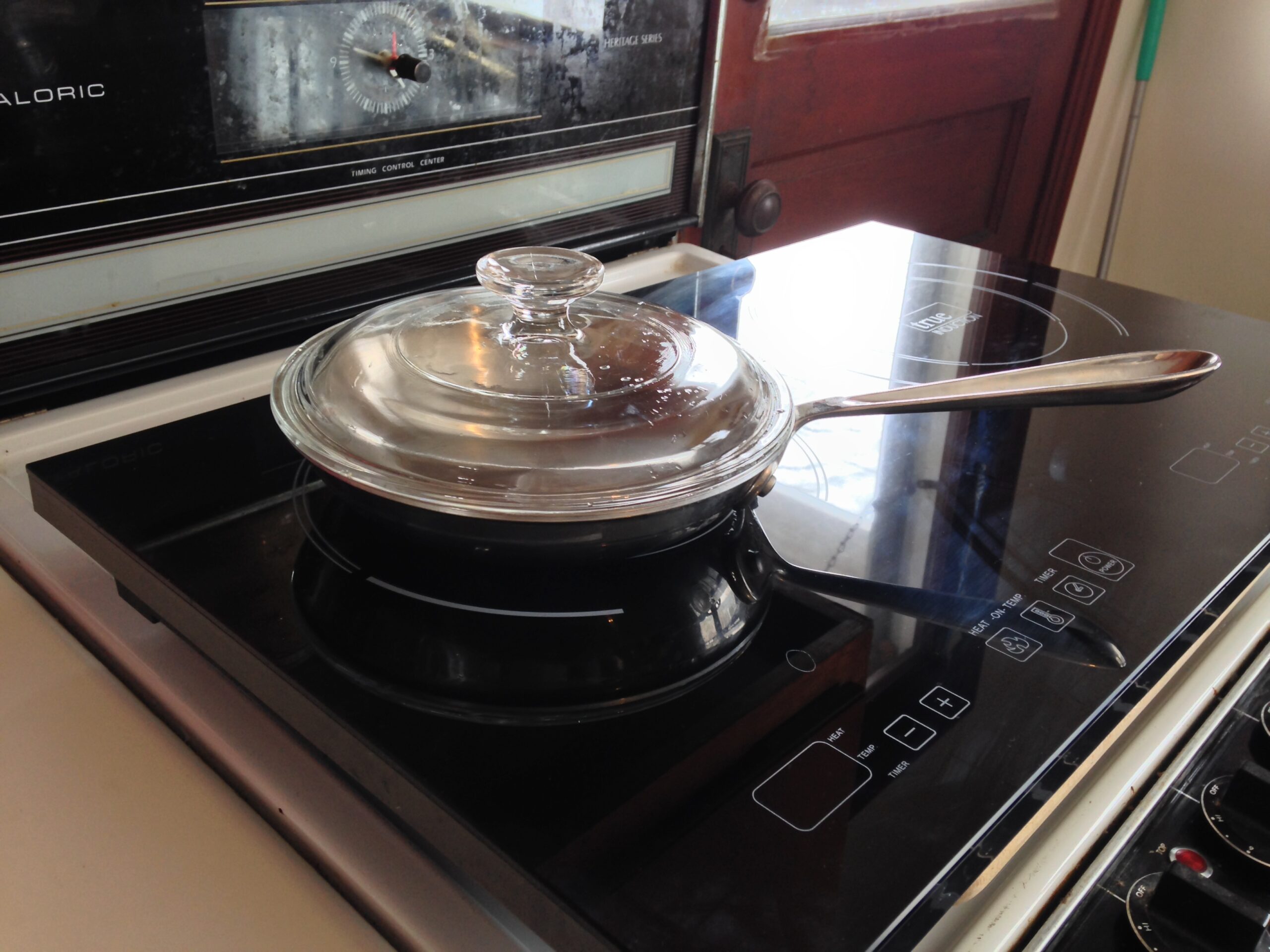
Induction Stove Resources
by Tom PhilipsBackground: The following short list of annotated resources on induction stoves provides an update to the resources in the 2019 ROCIS Range Hood Guide update. The list addresses both residential and commercial buildings. The resources are listed in...
Keep a Lid on It: Best Practices for Reducing Cooking Pollution in Homes
How safe and healthy is your indoor air when cooking at home?Whether you cook for pleasure, for the health benefits, for the cost savings, or just as a matter of course, you probably make food in your kitchen on a regular basis. Not only does cooking release odors and...